
The evolution of gambling tracing its historical roots
Ancient Beginnings
The roots of gambling can be traced back to ancient civilizations, where games of chance were often intertwined with religious rituals and community bonding. Archaeological evidence suggests that as early as 3000 BC, the Chinese were using rudimentary dice made from bone, while the Egyptians played games involving betting on the outcomes of dice rolls. These early forms of gambling were not merely pastimes; they served as crucial social activities that brought people together. If you’re looking for the best online casino in canada, it’s helpful to know these historical connections.
As societies evolved, so did the forms of gambling. The Romans popularized games such as dice and betting on gladiatorial combat, establishing a culture where gambling was widely accepted. The Romans even created laws regulating gambling, showcasing its significance in their daily lives. This early foundation laid the groundwork for gambling as an enduring human activity.
The Middle Ages and Renaissance
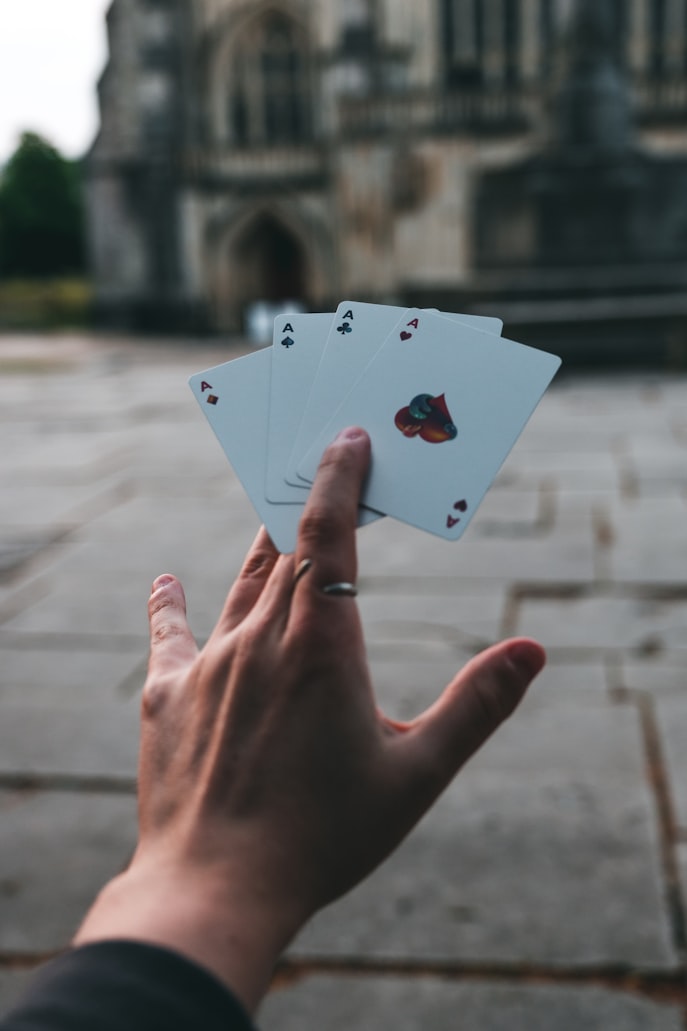
During the Middle Ages, gambling saw a shift with the introduction of card games, which originated in China and spread across Europe. The invention of playing cards revolutionized the gambling landscape, leading to the creation of various games that incorporated chance and strategy. Popular card games during this period included games like Primero and Glic, which paved the way for modern card games.
The Renaissance era marked a significant transformation in gambling culture, with the establishment of public gambling houses. These venues became social hubs where people could gather to wager on games, sporting events, and even lotteries. The rise of these establishments reflected the growing acceptance of gambling within society, further embedding it into the cultural fabric of the time.
The Birth of Modern Gambling
The 18th and 19th centuries heralded a new age for gambling, characterized by the emergence of state-sponsored lotteries and formal casinos. As the industrial revolution progressed, cities expanded and gambling became more organized. In 1638, the first official lottery was established in Venice, Italy, marking a turning point in how governments viewed gambling as a source of revenue.
This era also saw the proliferation of casinos across Europe, with places like Monte Carlo becoming synonymous with high-stakes gambling. The allure of gambling grew, drawing people from all walks of life. With the development of gaming regulations, the industry began to professionalize, establishing standards that governed gambling practices and protecting players.
The Digital Revolution
The advent of the internet in the late 20th century brought about a seismic shift in the gambling industry. Online casinos began to emerge, allowing players to engage in gambling activities from the comfort of their homes. This digital transformation made gambling more accessible, catering to a global audience and introducing innovative gaming experiences.
Alongside traditional games, online platforms introduced a plethora of new formats, such as virtual sports and live dealer games. The convenience of online gambling was further enhanced by mobile technology, enabling players to gamble on-the-go. This evolution not only revolutionized how people gambled but also raised important discussions about responsible gambling and player safety.

Exploring Online Gambling Today
Today, the landscape of gambling has become more dynamic and diverse, with a significant focus on enhancing user experience. Online casinos are designed to provide quick access to winnings and offer a variety of payment methods for secure transactions. Players can now compare different platforms, ensuring they choose one that aligns with their preferences.
As online gaming continues to grow, it is essential for players to stay informed about safe gambling practices. Websites dedicated to reviewing and recommending casinos play a vital role in guiding users through their options, ensuring they make informed choices while enjoying their gaming experience. By understanding the historical evolution of gambling, players can appreciate the journey that has shaped this popular pastime.